Jun 23 2026
Behind the book: Susan Edmunds on answering New Zealand’s KiwiSaver questions
Susan Edmunds has spent 15 years helping New Zealanders make sense of their finances. As RNZ’s money correspondent - and author of a new KiwiSaver book - she loves demystifying money - while squeezing in some contemporary fiction writing in between.
Tell us a bit about your background and how you came to write Your KiwiSaver Questions, Answered.
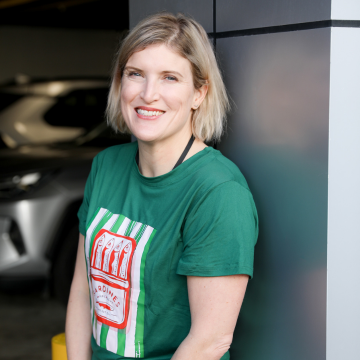
I’ve been a journalist since I left university about 20 years ago, and I’ve focused on personal finance for about 15 of those years. I started at the Herald on Sunday, then moved to Stuff, where I was business editor for a while, and now I’m at RNZ.
While I was at Stuff, I wrote a book about money for women, and then one about how to buy a house. But this year I thought there hadn’t been much about KiwiSaver since it launched – almost 20 years ago- we didn’t really have an up-to-date KiwiSaver guide.
And I was getting a lot of questions about KiwiSaver through my podcast (No Stupid Questions, with Susan Edmunds). Many of them were basic questions that kept coming up over and over again. That told me there was a gap.
Why do you think people struggle to understand KiwiSaver?
I think people don’t always know who to ask for help. There’s sometimes a reluctance to ask providers because people worry about bias, and some feel financial advice isn’t accessible to them. I think that’s why it comes to me.
What’s the most common KiwiSaver question you get?
A big one is: “Am I getting good returns?”
But it’s not always easy to answer because it depends on your timeframe and what you’re invested in.
Recently, I’ve also had a lot of questions about hardship withdrawals, which probably reflects the current economic pressure people are under.
What are the biggest mistakes you see people making with KiwiSaver?
A big mistake is being too conservative. I’ve noticed a lot of people who really do have quite a long time until they need their money in relatively conservative investments. We’ve seen markets go quite well in recent years, so people in that situation may have missed out on some pretty good returns.
Another mistake I see is people taking on too much risk right when they’re about to do something like buy a house.
Both sides of that come down to getting your risk right and being in the right fund for your circumstances. Understanding why you're invested and what you're investing in.
What about people at retirement - what should they be thinking about?
It’s really interesting how little we have in the way of support for people at this stage. Lifetime is pretty much the only one I can think of that's been set up to help that process. The banks sometimes talk about how you can set up some structured programme, but my impression from the people who contact me is that they don't know how to do that, and they're lost.
I hear people ask, “I’m 65 - do I have to take (all my money) out now?” The answer is no. You don’t have to. At 65, you might still have 30 years of life ahead of you, and you need to make sure your investments last as long as you do. So resisting that temptation to pull it out and stick it all in the bank is a good one.
Why is that ‘decumulation’ phase, as it’s known, so tricky and what would make it easier?
I hope that as KiwiSaver matures over the years, we pay more attention to this area. We’re quite good now at that message of accumulate - invest as you go along. But people are then left to their own devices after that.
I reckon a bit of it has to be on the industry, on the guys who are making relatively good money out of KiwiSaver, there should be a bit of a responsibility to help people on the other side.
What mindset shifts should retirees be making?
We talked about how you want your money to last as long as you do, and you should invest to help that happen. But also, I don't think people should panic about spending money (in retirement), because you wouldn't like to have a situation where you've got money, but you don't want to spend it because you're scared. I would like to think that people are confident enough to have a nice time in retirement.
What challenges do you see retirees facing beyond investment decisions?
I think lots of older people are still in that position where they're helping their kids, because, if you're 65, your kids might be in their 30s. Sometimes you're trying to help them into a house and things like that. So it’s about balancing those needs; I think it's quite tricky for some people. I don't think you'll do your kids any favours if you end up making yourself impoverished helping them.
What are you most proud of in your work?
I always feel very ‘imposter-y’, but I think the best feedback I get is when people say they didn't understand something, then read something I wrote, and it makes sense. That makes me feel happy.
What does a typical workday look like for you?
I start early - getting the kids organised and out the door, then I do (RNZ’s) Morning Report at 8.30 am and start work. I do a little bit of fiction writing when I get a break during the day and then pick the kids up in the afternoon. I’ll pick up again later to finish whatever I need to. I usually have a target to write a thousand words a day on something that's not work, and that's how I got through the KiwiSaver book.
And finally, what do you hope to do more of when you retire?
At this stage, I’d probably keep working in some form. I really enjoy what I do. And maybe I’ll write more books – more fiction.
Your KiwiSaver Questions, Answered, Susan Edmunds $39.99 RRP, Upstart Press
Written by: Sonia Speedy
Sonia Speedy has been a journalist for over 20 years, working in newspapers, magazines and radio. She also runs an online platform for parents at familytimes.co.nz. She lives on the Kāpiti Coast with her young family and loves writing stories that help make people's lives easier.